
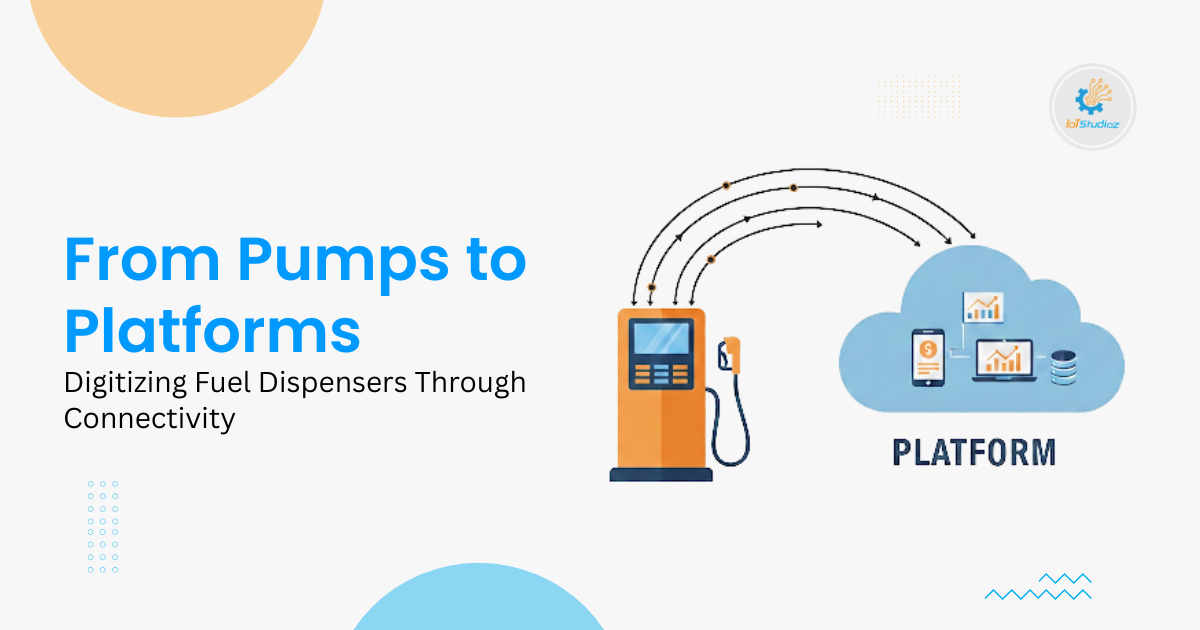
From Pumps to Platforms: Digitizing Fuel Dispensers Through Connectivity
Fuel retail operations rely on accuracy, uptime, and control. Fuel dispensers operate continuously across cities, highways, and remote locations. The global retail fuel station market was valued at about USD 1.8 trillion in 2022 and is projected to reach around USD 2.4 trillion by 2032. Industry reports show that large fuel networks often operate hundreds or thousands of dispensers across multiple locations.
At the same time, fuel stations face rising operational pressure. Operators must monitor sales, detect faults, and prevent losses in real time. Manual data collection no longer meets these demands. Connectivity now plays a central role in fuel station management.
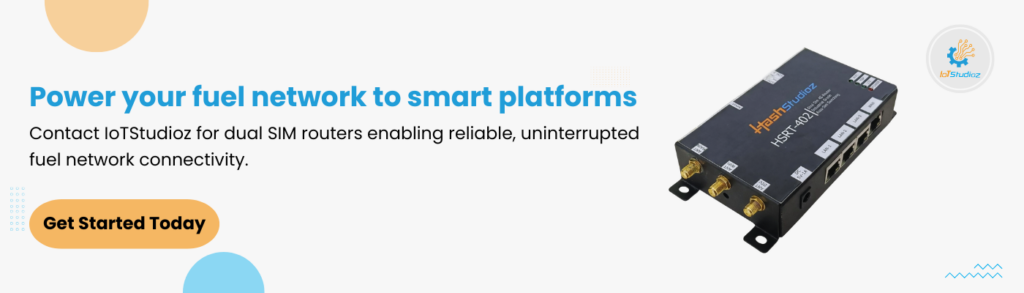
Digitization connects fuel dispensers to central platforms. A Dual Sim Industrial Router enables this connection with high reliability. A Dual Sim 4G LTE Industrial Router supports continuous data transfer even during network failures.
Traditional Fuel Dispenser Operations
Fuel dispensers traditionally function as isolated units. They record transactions locally. Staff collect data manually at intervals. This setup creates delays in reporting. Fault detection also depends on physical inspection. Theft and fuel loss often remain undetected for long periods. As station networks grow, manual processes increase costs. Operators struggle to maintain visibility across locations.
What Digitizing Fuel Dispensers Means
Digitization connects dispensers to backend systems. Each dispenser sends operational data to central platforms. Operators monitor activity remotely. Connectivity allows real-time tracking of sales, volume, and dispenser health. It also supports remote configuration and updates. Digitized dispensers act as data sources. They feed analytics platforms and management systems continuously.
Role of Connectivity in Fuel Dispenser Digitization
Connectivity links physical dispensers to digital systems. It forms the base layer of digitization. Fuel stations often operate in areas with unstable networks. A single network connection does not guarantee uptime.
Why Fuel Stations Use Industrial Routers
Consumer-grade routers cannot handle harsh environments. Fuel stations face heat, dust, and electrical noise. Industrial routers operate under these conditions. They support long uptime and stable performance. A Dual Sim Industrial Router offers additional reliability. It connects to two cellular networks at once.
Importance of Dual SIM Connectivity
Fuel stations cannot afford data loss. Network downtime affects reporting and monitoring. A Dual Sim 4G LTE Industrial Router switches between carriers automatically. If one network fails, the second takes over.
Dual SIM Benefits
- Dual SIM enables continuous data transmission without interruption.
- It reduces downtime risk by switching networks automatically.
- It provides better coverage in remote and low-signal areas.
- It maintains stable connectivity during peak traffic periods.
Architecture of a Connected Fuel Dispenser System
A digitized fuel station includes several layers.
1. Dispenser Layer
Dispensers generate transaction and status data. Sensors monitor flow rates and volumes.
2. Connectivity Layer
Industrial routers collect data from dispensers. They send data securely to backend systems.
3. Platform Layer
Central platforms receive and store data. Operators access dashboards and reports. Each layer depends on stable connectivity to function properly.
Real-Time Sales and Volume Monitoring
Digitized dispensers report transactions instantly. Operators see sales data without delay. Real-time monitoring reduces reporting gaps. It also supports faster decision-making.
Monitoring Advantages
- Instant sales visibility helps operators track transactions in real time.
- Accurate fuel volume tracking ensures correct measurement and reporting.
- Reduced manual reporting lowers human effort and data entry errors.
- Faster reconciliation shortens the time needed to match sales and inventory.
Remote Fault Detection and Alerts
Dispenser faults affect customer service. Manual detection delays repairs. Connected dispensers report errors immediately. Platforms generate alerts for operational anomalies, including nozzle communication errors, flow sensor failures, power interruptions, and calibration deviations.. Early alerts reduce downtime and maintenance costs.
Fuel Theft and Loss Prevention
Fuel loss impacts revenue directly. Manual systems detect losses late. Digitized systems compare dispensed volume with tank data. Differences trigger alerts. Connectivity enables continuous monitoring. Operators act before losses increase.
Centralized Station Management
Large fuel networks manage hundreds of stations. Manual coordination becomes difficult. Connectivity allows centralized control. Operators manage stations from a single interface.
- Station-level performance tracking: Operators can review how each station performs on a daily basis. This includes sales levels, transaction activity, and overall operating status. By comparing stations side by side, teams can spot low performance early and take action before issues grow.
- Dispenser status monitoring: Each dispenser sends regular updates about its working condition. Operators can quickly see if a unit is running normally or showing problems. This helps maintenance teams respond faster and reduces long periods of equipment downtime.
- Remote configuration updates: System settings can be adjusted from the central platform without visiting the station. Price updates, operational rules, and system parameters can be changed remotely. This reduces field visits and keeps settings consistent across all locations.
- Unified reporting: All station data is collected into one reporting system. Teams no longer need to gather information from separate sources. Clear and consistent reports help managers review performance and make decisions with confidence.
Role of Dual Sim Industrial Router in Network Stability
Fuel stations rely on cellular networks. Coverage varies by location. A Dual Sim Industrial Router connects to two carriers. This design improves uptime. The router monitors signal quality continuously. It switches networks without manual action.
Secure Data Transmission
Fuel transaction data requires protection. Security breaches cause financial loss. Industrial routers support encrypted communication and protect data during transmission by using encrypted data channels, secure device authentication, firewall protection, and access control rules. Secure connectivity builds trust in digital systems.
Integration With Backend Systems
Digitized dispensers connect with billing and ERP systems. Data flows automatically between platforms. Connectivity enables seamless integration, which supports accurate billing records, faster reconciliation, unified operational data, and reduced human error. Operators reduce manual data entry. Integrated systems improve data accuracy.
Support for Remote Locations
Many fuel stations operate on highways and in rural areas. Means their network coverage varies widely. A Dual Sim 4G LTE Industrial Router improves connectivity in such regions. Dual networks increase coverage options. Remote stations gain equal visibility as urban stations.
Reduced Maintenance Costs
Manual inspections increase costs. Travel time adds delays. Remote monitoring reduces physical visits. Technicians act only when needed.
Cost Reduction Areas
1. Fewer routine inspections: Automation and remote monitoring reduce the need for frequent on-site visits, saving time and labor.
2. Lower travel expenses: Technicians spend less time traveling to stations, which cuts fuel, lodging, and transportation costs.
3. Faster issue resolution: Real-time alerts and remote diagnostics allow problems to be addressed quickly, minimizing service delays.
4. Reduced downtime losses: Continuous monitoring and early fault detection prevent long periods of dispenser inactivity, protecting revenue.
Data Analytics and Performance Insights
Digitized systems collect large volumes of data, and platforms convert this data into actionable insights. Operators analyze dispenser usage patterns to identify peak hours and underperforming stations. Analytics use cases include sales trend analysis, dispenser utilization tracking, maintenance planning, and performance comparison across stations. These insights support better planning.
Compliance and Reporting Support
Fuel retail follows strict regulations. Accurate reporting remains mandatory. Digitized dispensers provide consistent data records. Connectivity ensures timely data submission. Audit trails support compliance checks. Operators reduce regulatory risk.
Scalability for Growing Networks
Fuel networks expand over time, so systems must be able to grow with them. Industrial routers let new dispensers connect to existing platforms easily. They also make it simple to add new stations, manage the network from one place, maintain consistent performance across locations, and support future upgrades. This scalable setup helps protect investments and keeps operations running smoothly.
Example: Digitized Multi-Station Fuel Network
A regional fuel operator managed stations manually. Reporting delays affected planning. After deploying connected dispensers with dual SIM routers, data updates became real-time. Downtime reduced significantly. Maintenance response improved.
Why Connectivity Matters More Than Ever
Fuel margins are tight, so operational efficiency directly affects profitability. Connectivity gives operators clear visibility, better control, and faster response times. Without it, stations struggle to keep up with modern standards. A Dual Sim Industrial Router provides the reliable connection needed for this digital shift. It keeps data flowing smoothly even if one network drops and helps managers monitor operations and make quick, informed decisions.
Conclusion
Fuel dispensers no longer operate as isolated machines. Connectivity converts them into digital assets. A Dual Sim Industrial Router ensures stable communication across locations. A Dual Sim 4G LTE Industrial Router protects operations during network failures.
Digitizing fuel dispensers improves monitoring, security, and efficiency. From pumps to platforms, connectivity drives the future of fuel retail.
Frequently Asked Questions
1. What does digitizing fuel dispensers involve?
Digitizing fuel dispensers integrates IoT and connectivity, enabling real-time monitoring, data-driven insights, remote management, and improved efficiency, reducing downtime and operational errors while modernizing traditional pumps for smarter, platform-based fuel station operations.
2. How does a Dual Sim Industrial Router help fuel dispensers?
A Dual Sim Industrial Router provides uninterrupted connectivity with automatic SIM failover, ensuring continuous data transmission for remote monitoring, cloud reporting, secure payments, and seamless integration with digital fuel management platforms.
3. Can existing fuel dispensers be upgraded digitally?
Yes, legacy dispensers can be retrofitted with IoT modules and connected via a Dual Sim Industrial Router, converting them into smart pumps without full replacement, enabling remote management, analytics, and cloud integration.
4. What are the benefits of Dual Sim Industrial Routers in fuel stations?
Benefits include reliable connectivity, automatic SIM switching, remote monitoring, secure data transmission, scalable integration with multiple pumps, and uninterrupted digital operations for efficient fuel station management.
5. How secure is data from connected fuel dispensers?
Data transmitted via a Dual Sim Industrial Router is encrypted using VPN, HTTPS, or SSL protocols, ensuring secure cloud communication, protecting transaction details, fuel inventory data, and operational metrics from cyber threats.