Why Energy Meter Ethernet Converters Are Essential for Modern Facilities
In today’s fast-paced industrial and commercial environment, energy efficiency has become a critical factor for operational success. Businesses are under constant pressure to reduce energy costs, improve sustainability, and maintain compliance with energy management regulations. To achieve these goals, organizations need accurate, real-time access to energy consumption data.
Traditional energy meters often operate through serial communication interfaces such as RS485, which can limit accessibility and scalability in modern networked environments. This is where Energy Meter Ethernet Converters play a crucial role. These devices bridge the gap between traditional energy meters and Ethernet-based networks, enabling seamless communication, remote monitoring, and centralized energy management.
As smart buildings, industrial automation systems, and Industry 4.0 initiatives continue to grow, Energy Meter Ethernet Converters have become an essential component of modern facilities. This article explores their importance, benefits, applications, and how they contribute to smarter and more efficient operations.
What Is an Energy Meter Ethernet Converter?
An Energy Meter Ethernet Converter is a networking device that enables energy meters with serial communication interfaces, such as RS232 or RS485, to connect to Ethernet networks.
The converter translates serial communication protocols into Ethernet-compatible data packets, allowing energy consumption data to be transmitted over local area networks (LANs), wide area networks (WANs), or even the internet.
This conversion allows facility managers, engineers, and operators to access energy data remotely through SCADA systems, cloud platforms, or building management systems.
Basic Communication Flow
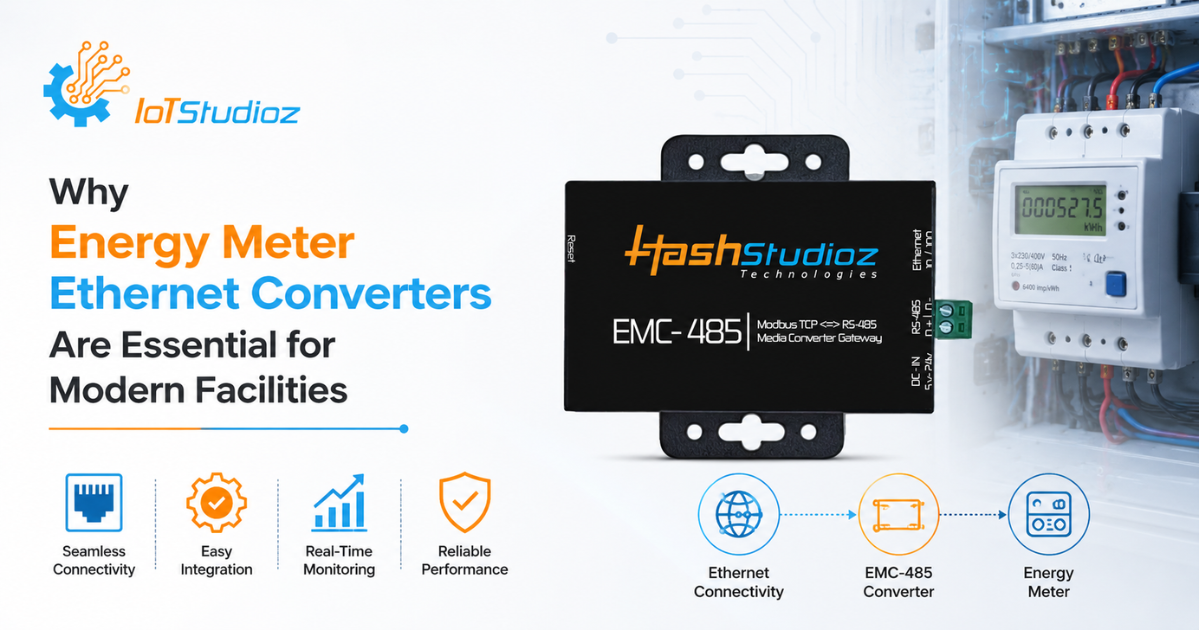
Energy Meter → RS485 Communication → Ethernet Converter → Ethernet Network → Monitoring Software
This simple integration transforms traditional energy meters into connected devices capable of supporting modern energy management strategies.
Why Modern Facilities Need Energy Meter Ethernet Converters
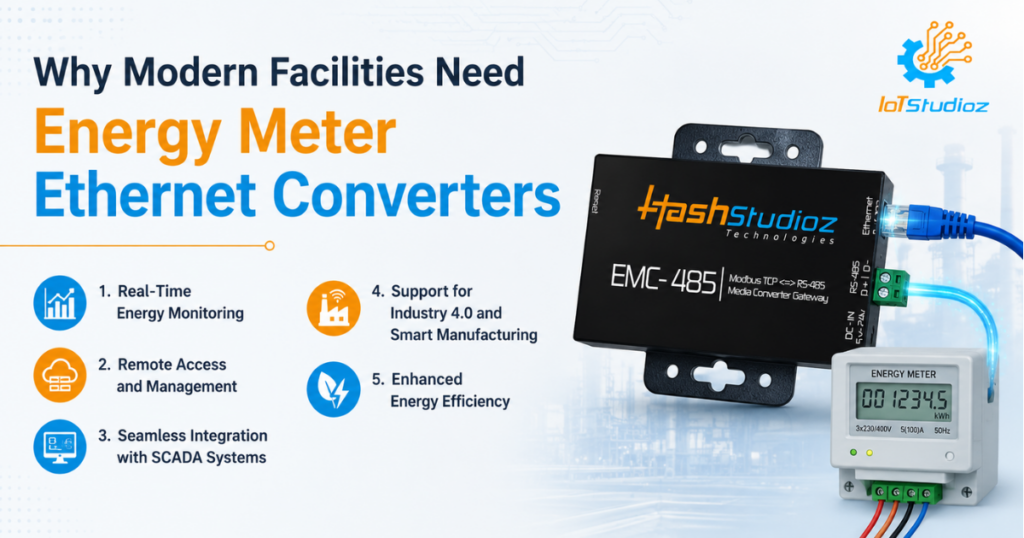
1. Real-Time Energy Monitoring
One of the biggest advantages of Ethernet connectivity is the ability to monitor energy consumption in real time.
Without Ethernet integration, facility managers often rely on manual data collection or periodic reporting, which can delay decision-making.
Real-time monitoring enables organizations to:
- Track energy usage instantly
- Identify unusual consumption patterns
- Detect equipment inefficiencies
- Optimize operational performance
- Reduce unnecessary energy waste
Immediate visibility into energy consumption helps organizations make proactive decisions rather than reacting to issues after they occur.
2. Remote Access and Management
Modern facilities may consist of multiple buildings, production units, warehouses, or geographically distributed locations.
Energy Meter Ethernet Converters allow operators to monitor and manage energy usage remotely from a centralized location.
Benefits include:
- Reduced on-site inspections
- Faster troubleshooting
- Improved operational efficiency
- Lower maintenance costs
- Better resource utilization
Remote monitoring is particularly valuable for utilities, manufacturing plants, smart campuses, and commercial complexes.
3. Seamless Integration with SCADA Systems
Many industrial facilities rely on Supervisory Control and Data Acquisition (SCADA) systems for monitoring critical operations.
Energy Meter Ethernet Converters enable seamless communication between energy meters and SCADA platforms.
This integration provides:
- Centralized data collection
- Real-time dashboards
- Alarm management
- Historical data analysis
- Automated reporting
As a result, operators gain complete visibility into energy performance alongside other operational metrics.
4. Support for Industry 4.0 and Smart Manufacturing
Industry 4.0 emphasizes connectivity, data exchange, and intelligent decision-making.
Energy data is a vital component of smart manufacturing environments.
By connecting energy meters to Ethernet networks, organizations can:
- Collect energy consumption data continuously
- Analyze performance trends
- Implement predictive maintenance
- Improve production efficiency
- Reduce operational costs
Energy Meter Ethernet Converters serve as a bridge between legacy infrastructure and modern Industrial IoT ecosystems.
5. Enhanced Energy Efficiency
Energy efficiency initiatives begin with accurate measurement and visibility.
When facilities have access to detailed energy consumption data, they can:
- Identify energy-intensive equipment
- Optimize operational schedules
- Reduce peak demand charges
- Detect idle energy consumption
- Improve overall efficiency
The ability to collect and analyze energy data in real time supports continuous improvement efforts.
Key Features of Energy Meter Ethernet Converters
Protocol Conversion
These converters support various industrial protocols, including:
- Modbus RTU
- Modbus TCP
- RS485
- RS232
- Ethernet TCP/IP
Protocol conversion ensures compatibility between legacy devices and modern network infrastructures.
Multi-Device Connectivity
Many Ethernet converters support multiple energy meters through a single device.
Advantages include:
- Lower deployment costs
- Simplified network architecture
- Reduced hardware requirements
- Easier system expansion
This capability is particularly useful for large facilities with numerous energy monitoring points.
High-Speed Data Transmission
Ethernet networks provide significantly faster communication compared to traditional serial systems.
Benefits include:
- Faster data updates
- Reduced communication delays
- Improved monitoring accuracy
- Better system responsiveness
High-speed communication is essential for large-scale industrial environments.
Network Security
Modern converters often include advanced security features such as:
- Password protection
- Access control
- Data encryption
- User authentication
These features help protect critical energy data from unauthorized access.
Remote Configuration
Many converters can be configured remotely through web-based interfaces.
This capability allows technicians to:
- Modify communication settings
- Update configurations
- Perform diagnostics
- Troubleshoot issues remotely
Remote configuration reduces maintenance time and operational disruptions.
Applications of Energy Meter Ethernet Converters
Manufacturing Facilities
Manufacturers use Ethernet-connected energy meters to:
- Monitor machine-level energy consumption
- Optimize production efficiency
- Reduce operational costs
- Support sustainability goals
Real-time insights help identify inefficiencies across production lines.
Commercial Buildings
Office complexes, shopping centers, and business parks benefit from:
- Centralized energy monitoring
- Utility cost optimization
- Tenant energy tracking
- HVAC energy management
These capabilities contribute to smarter building operations.
Data Centers
Data centers consume significant amounts of electricity.
Energy Meter Ethernet Converters help operators:
- Track power consumption
- Improve energy efficiency
- Prevent overload conditions
- Optimize cooling systems
Reliable monitoring ensures maximum uptime and performance.
Smart Buildings
Smart building technologies depend on interconnected systems.
Ethernet-enabled energy meters support:
- Building Management Systems (BMS)
- Smart lighting controls
- HVAC optimization
- Occupancy-based energy management
This integration improves both comfort and efficiency.
Renewable Energy Projects
Solar and wind energy installations require continuous performance monitoring.
Energy Meter Ethernet Converters enable:
- Power generation tracking
- Performance analysis
- Remote monitoring
- Grid integration
These capabilities improve renewable energy management and reliability.
Challenges Solved by Energy Meter Ethernet Converters
Legacy System Integration
Many facilities still operate older energy meters that lack Ethernet connectivity.
Converters eliminate the need for costly equipment replacement by enabling existing devices to connect to modern networks.
Long-Distance Communication
Serial communication has distance limitations.
Ethernet networks allow energy data to be transmitted across large facilities and multiple locations without significant signal degradation.
Centralized Data Collection
Without Ethernet connectivity, collecting energy data from multiple meters can be time-consuming.
Converters enable centralized monitoring from a single control room or cloud platform.
Reduced Maintenance Costs
Remote diagnostics and monitoring minimize the need for frequent site visits, reducing maintenance expenses and downtime.
Benefits for Facility Managers
Facility managers gain several advantages from deploying Energy Meter Ethernet Converters:
- Better Visibility: Access real-time energy consumption data from anywhere.
- Faster Decision-Making: Respond quickly to abnormal energy usage patterns.
- Cost Reduction: Identify opportunities for energy savings and operational optimization.
- Scalability: Expand monitoring systems without replacing existing infrastructure.
- Improved Sustainability: Support environmental initiatives through better energy management.
- Regulatory Compliance: Maintain accurate records for audits and energy reporting requirements.
How to Choose the Right Energy Meter Ethernet Converter
When selecting a converter, consider the following factors:
- Communication Compatibility: Ensure support for your energy meter’s communication protocol.
- Number of Connected Devices: Choose a converter that accommodates current and future expansion.
- Network Requirements: Verify compatibility with existing Ethernet infrastructure.
- Environmental Conditions: Select industrial-grade devices for harsh operating environments.
- Security Features: Look for encryption and authentication capabilities.
- Management Options: Choose devices that offer remote monitoring and configuration.
Future Trends in Energy Meter Connectivity
The future of energy management is becoming increasingly connected and intelligent.
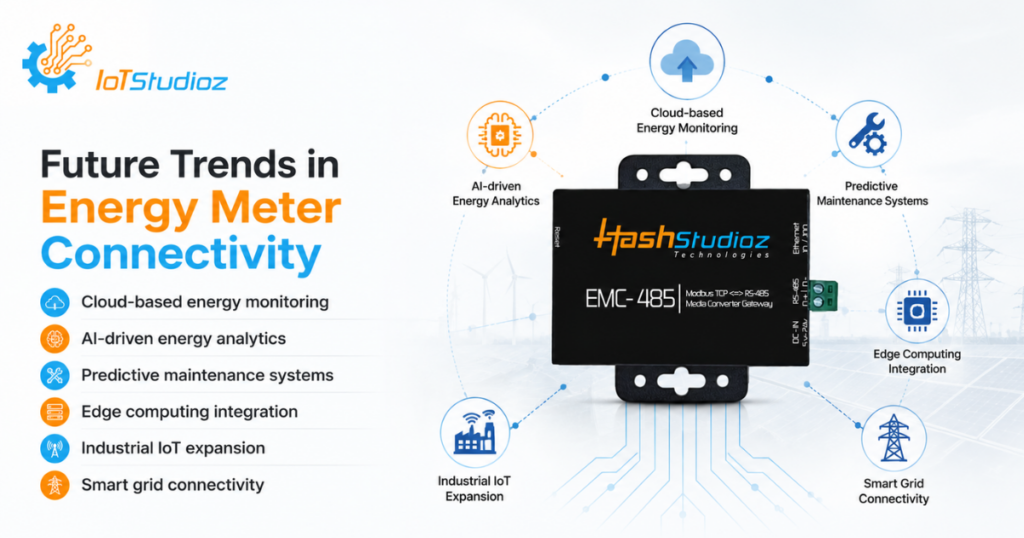
Emerging trends include:
- Cloud-based energy monitoring
- AI-driven energy analytics
- Predictive maintenance systems
- Edge computing integration
- Industrial IoT expansion
- Smart grid connectivity
Energy Meter Ethernet Converters will continue to play a critical role in enabling these advanced technologies.
Conclusion
As organizations strive to improve efficiency, reduce energy costs, and support sustainability goals, access to accurate and real-time energy data has become more important than ever. Energy Meter Ethernet Converters provide the connectivity required to transform traditional energy meters into intelligent networked devices.
By enabling remote monitoring, SCADA integration, centralized data collection, and Industry 4.0 readiness, these converters help modern facilities optimize energy usage and improve operational performance. Whether in manufacturing plants, commercial buildings, data centers, or renewable energy projects, Energy Meter Ethernet Converters have become an essential tool for achieving smarter, more connected, and energy-efficient operations.
Investing in the right Energy Meter Ethernet Converter today can help organizations build a stronger foundation for future growth, sustainability, and digital transformation.